
I am participating
in the annual Picture Book 10 for 10 event hosted by Reflect and Refine:Building a Learning Community and Enjoy and Embrace Learning. Bloggers who participate post a list of 10
favorite picture books. I am excited to join in for the first time this year.
My list of picture
books is related to my interest in learning about how to help students develop
a growth mindset. I want my students to
realize that they have the power and ability to succeed at the tasks they want
to accomplish. Putting in effort and
persevering through what may seem like failure can help students learn and
grow. Discussion is a great way to
support students in understanding the importance of a growth mindset and how
they can be responsible for their own learning and growth.
This is my list of ten favorite picture books for sparking discussion
about effort and perserverance.

The Most Magnificent Thing by Ashley Spires
When a girl attempts
to make a magnificent thing and her efforts result in a thing that turns out
all wrong her temper gets the best of her.
Her dog, who assumes the role of her assistant, suggests a walk and as
she calms down she realizes there are parts of her wrong thing that are right. The
girl is successful in the end and readers find out what the magnificent thing is
that she made. This book has lovely
illustrations and interesting language.
The little girl’s hard work can help students understand what it means
to persevere.
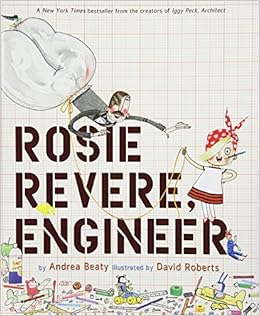
Rosie Revere Engineer by Andrea Beaty
Rosie Revere builds
gadgets and gizmos, but in secret because of an uncle who once laughed at an
innovative hat she made for him. Her
great-great-aunt Rose visits and Rosie decides to build her a gizmo so she can
fly. Rosie’s first attempt is a flop and
she is about to give up on building when her aunt teaches her that she can
learn from her mistakes and try again.
The rhyming text and detailed, interesting illustrations makes this a
fun story to read aloud. It’s also one
that can lead to discussions about not giving up when at first it seems that
one has failed.
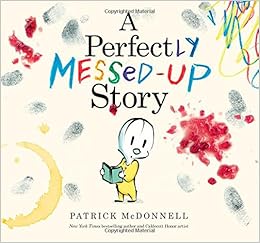
A Perfectly-Messed Up Story by Patrick McDonnell
The story begins by
telling about Louie who gets upset because his book becomes messy. When he discovers jelly, fingerprints, and
coloring on the pages of his book he decides the story should go on without
him. When he realizes readers are still
reading his story he decides to continue.
This is a funny book, that makes readers a part of the story. There is a powerful message about not giving
up when things don’t work out exactly as planned.

Flight School by Lita Judge
Little Penguin
wants to fly and, although Flamingo doesn’t think he can do it, he takes
lessons and practices. When Little
Penguin attempts to fly he is unable to, but Flamingo eventually comes up with
an imaginative plan to help him. This is
an adorable story that helps readers understand that obstacles can be
achieved with some persistence, imagination, and the support of others.
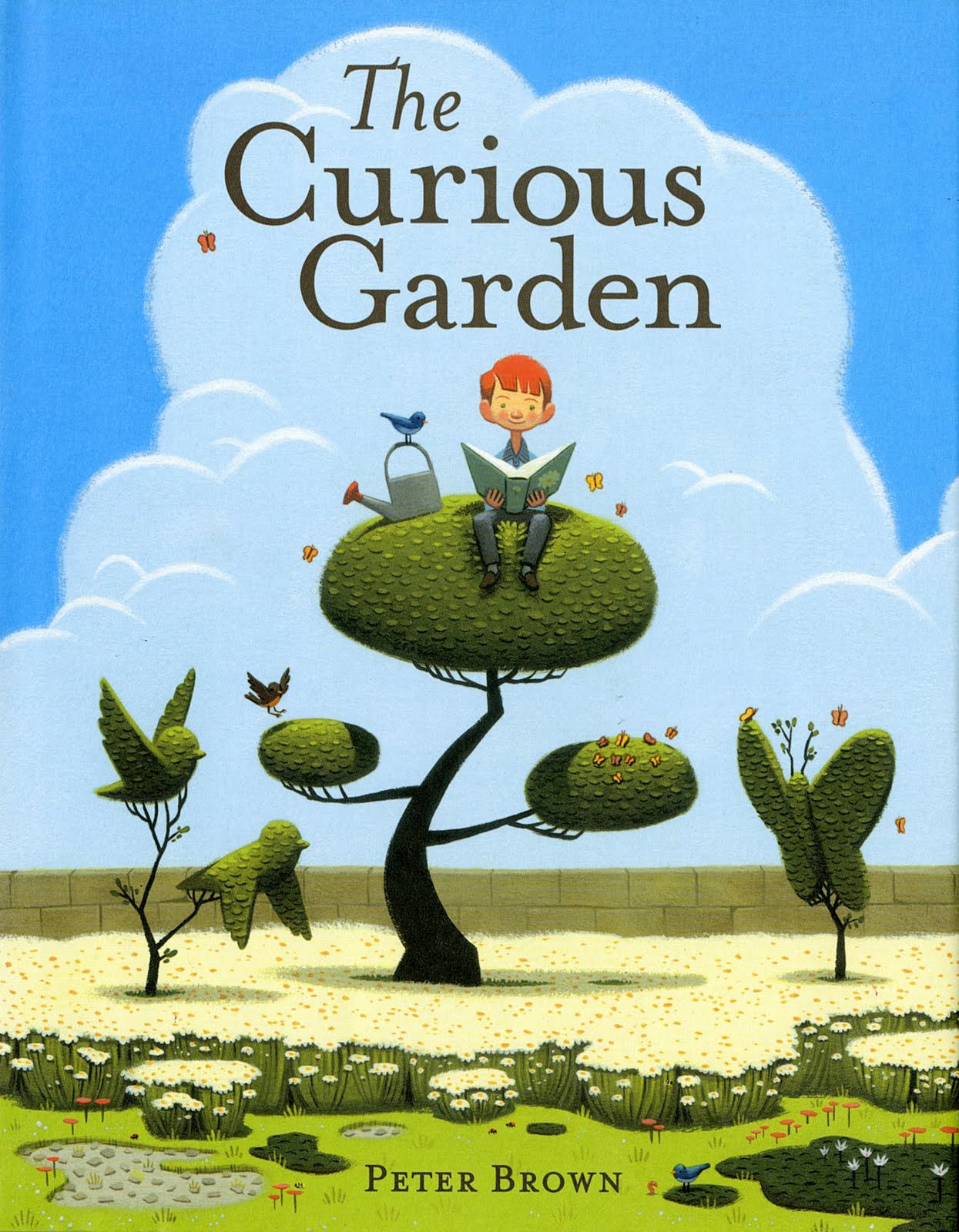
The Curious Garden by Peter Brown
A boy finds a dying
garden on a railway and decides to help it grow. He works through all the seasons of the year
to keep the garden alive. The garden is a special one that likes to explore and
eventually moves out into all parts of the city. The pages of the book, at first, picture a
drab, lifeless setting and then become more colorful as the city blossoms with
plants. There’s a fanciful quality to
the book, but it shows the importance of working hard to achieve something and
how one’s efforts can have a positive impact on the world.
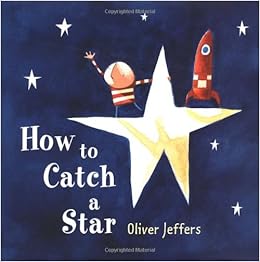
How to Catch a Star by Oliver Jeffers
A boy has a wish to
catch a star. He is unable to catch one
although he waits, thinks up some ideas, and tries things like climbing a
tree. The boy never gives up and,
finally, he finds a star of his own. The
illustrations are simple, but vibrant and captivating. This book can spark
discussions about determination and not giving up on your dreams.
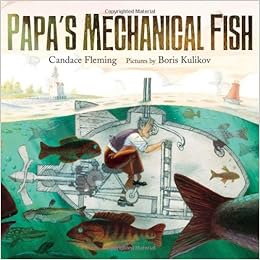
Papa’s Mechanical Fish by Candace Fleming
This is a fiction
story, but based on the true story of an inventor, Lodner Phillips, who built a
submarine. Papa tries inventing things, but is still trying to find a fantastic
idea. He comes up with the idea to build a
mechanical fish. When his attempts fail,
his daughter asks him questions that make him wonder and result in him making
improvements to his machine. Papa can
help readers understand that it often takes a lot of thought and
problem-solving to accomplish something.
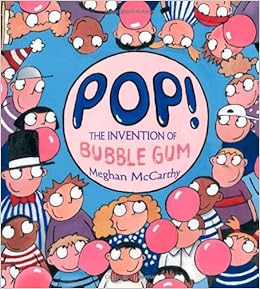
Pop! The Invention of
Bubble Gum by Meghan McCarthy
This books tells
the story of Walter Diemer, an accountant at a bubble gum factory, who began experimenting
in the laboratory and invented bubble gum.
When Walter first created a gum that resulted in bubbles, it hardened to
rock the next day. Walter continued
experimenting and finally discovered a mixture for bubble gum that would
work. This books shows how creating
something new often results in mistakes, at first, but success can be
achieved. The topic of bubble gum is one
that will interest many students.
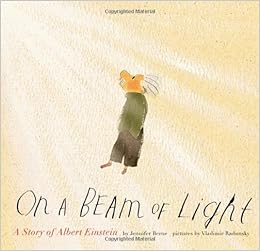
On a Beam of Light by Jennifer Berne
This book describes
the life of Albert Einstein. Einstein
was a child whose parents thought he was different and whose teachers thought
he would not amount to anything.
Einstein had an immense curiosity that led him to read, study, and ask
questions to which he found answers. This
book is informative and inspiring. Einstein’s
story shows how someone perceived as different and not a typical learner can accomplish
great things through determination and persistence.
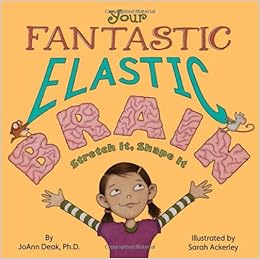
Your Fantasic Elastic Brain by JoAnn Deak
This is a
nonfiction text that teaches how the brain works. The information is presented in a fun and
easy to understand manner. Readers will
learn lots of information about the brain including how learning and making
mistakes help one’s brain stretch and grow.
There are many other picture books that can help students think about the benefit of effort and perseverance. It was hard to narrow it down to just ten, but these are titles are among my favorites.


