Monday, July 30, 2018
It's Monday! What Are You Reading?
Thursday, July 26, 2018
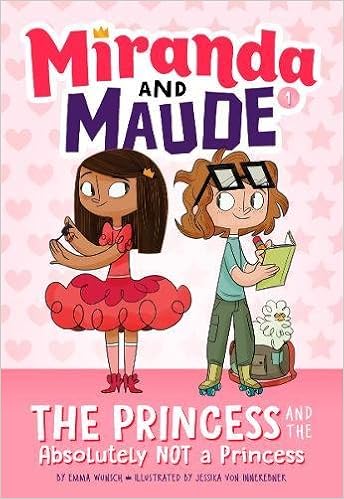
The Princess and the Absolutely Not a Princess by Emma Wunsch
Miranda and Maude don't see eye-to-eye about much and a friendship seems unlikely, but sometimes those who are different from us make the best types of friends.
Miranda is a princess who is being forced to go to school for the first time and is not very interested in school work or socializing with her classmates. Maude wants to be a social justice activist when she grows up and loves learning. Miranda is disgusted by Maude's love of hard-boiled eggs. Maude thinks Miranda's rudeness is a social injustice. When Miranda has a royal birthday party, their differences come to a head and both girls treat each other unfairly. It turns out that the girls have something in common, an empathetic side that leads them past their misunderstandings.
This book is both humorous and sweet. Miranda and Maude both have interesting and quirky personalities. Their annoyance with each other at the beginning of the book is amusing, especially when they try to one-up each other with a collection of artifacts on their desks. The story is also heart-warming, as the girls develop a friendship and learn to embrace each others' differences.
The Princess and the Absolutely Not a Princess is not only entertaining, but it can also help readers learn something about navigating relationships with their peers. The story shows that understanding differences and being empathetic are important in forming friendships.
With short chapters and illustrations, this book will suit readers who are transitioning to chapter books. This is the first in a series that promises more fun adventures with two delightful characters.
This book is both humorous and sweet. Miranda and Maude both have interesting and quirky personalities. Their annoyance with each other at the beginning of the book is amusing, especially when they try to one-up each other with a collection of artifacts on their desks. The story is also heart-warming, as the girls develop a friendship and learn to embrace each others' differences.
The Princess and the Absolutely Not a Princess is not only entertaining, but it can also help readers learn something about navigating relationships with their peers. The story shows that understanding differences and being empathetic are important in forming friendships.
With short chapters and illustrations, this book will suit readers who are transitioning to chapter books. This is the first in a series that promises more fun adventures with two delightful characters.
Thanks to the publisher, Abrams Books, for providing my book review group, #BookExcursion, with a copy of the book. The book publishes in August.
Monday, July 23, 2018
It's Monday! What Are You Reading?
Recent Reads...
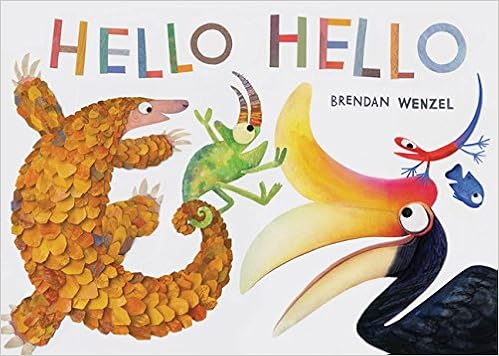
Hello Hello by Brendan Wenzel
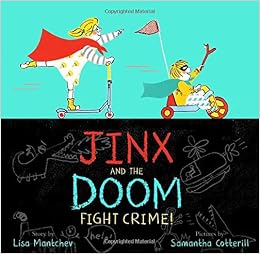
As readers say hello to a wide variety of animals, they learn that the different colors, shapes, patterns, and ways of being make the world a fascinating place. Although featuring animals, this book conveys the idea that even in spite of differences, we are connected to each other. The names of all the animals in the book are listed at the end. The author notes that many of these animals are endangered and suggests that readers learn more about them in order to advocate for their protection.Jinx and the Doom Fight Crime! by Lisa Mantchev
Jinx and the Doom are the cutest sibling, crime-fighting duo. Through their imaginary play, they defend the innocent and protect the planet. They also do the normal kid things like eat lunch and follow Mom's orders when she has a chore for them to do. This book celebrates play and imagination. The artwork within the book is wonderful, too. Pictures were drawn, cut, and digitally colored creating illustrations that almost look three-dimensional.Nowhere Boy by Katherine Marsh
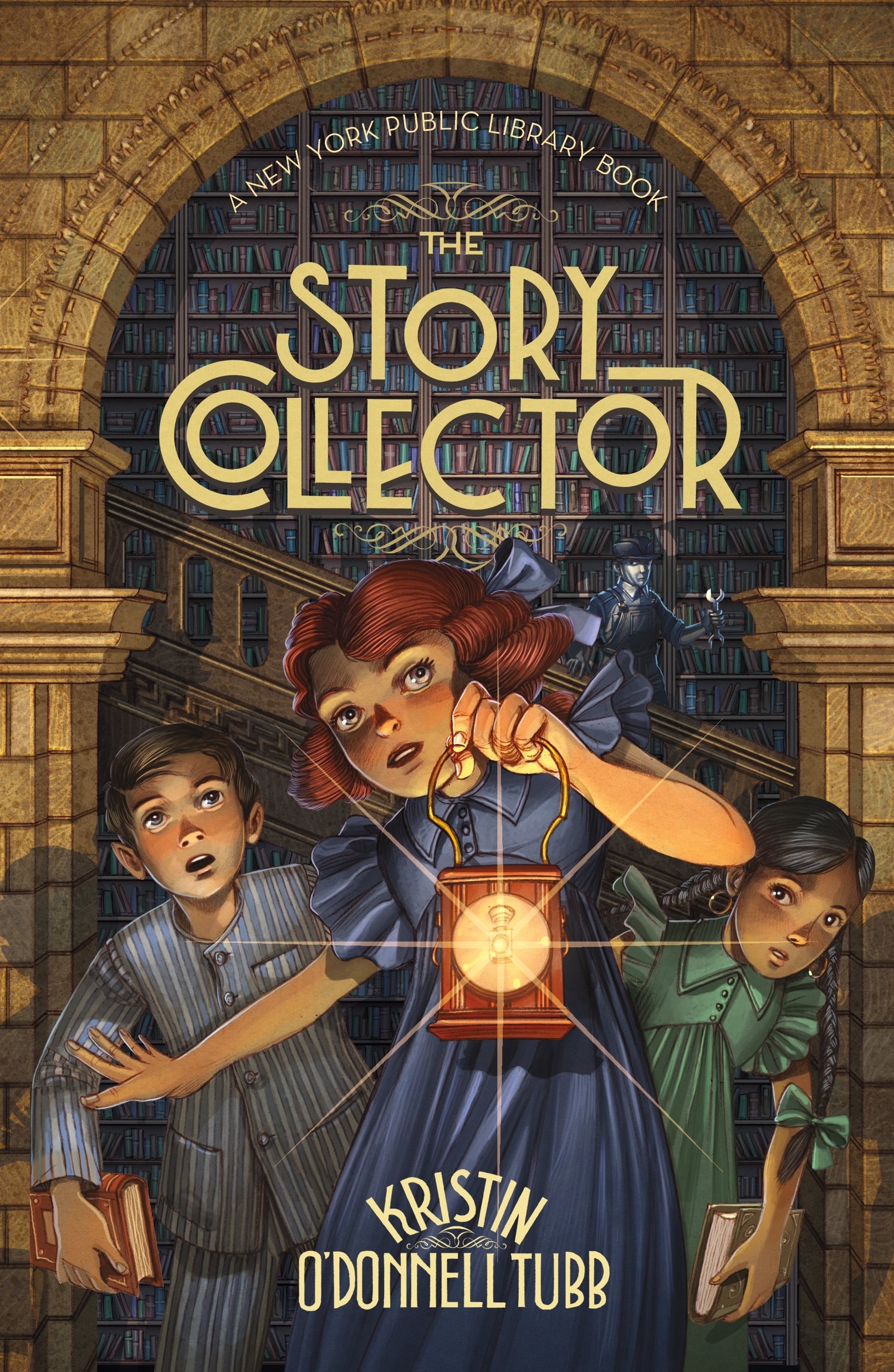
Ahmed is alone in Brussels after his father died when they were fleeing Syria. With no where else to go, he hides out in the basement of a house where Max, the boy living there, discovers him. Max is taking a huge risk, but he keeps Ahmed's hide out a secret and, with the help of a few friends, finds a way for him to attend his school. Ahmed's story of survival is relevant and offers insight into the struggles that refugees face. It also addresses issues related to terrorism and Islamophobia. The friendship that the two boys form is beautiful. This is an engaging and timely read.The Story Collector by Kristen O'Donnell Tubb
Book lovers and librarians will have a special place in their heart for this book. This is an interesting story, with a little bit of mystery, about a girl living in the New York Public Library. Read more about my thoughts here.Thursday, July 19, 2018
Literacy Essentials by Regie Routman, Part III
All the students walk through the doors of our schools. The ones who have shelves filled with books. The ones who don't have a book to call their own or a notebook or a pen. The ones who have models of readers and writers in their lives. The ones who don't. The ones who come to first grade confident they can read and the ones who don't. The ones who come to school as native English language speakers and those whose native language is not English. The ones who come from hard places whose walls of mistrust and fear must be broken down or at least chipped away at so they can learn to their fullest potential.
No matter which students walk through our doors, we are responsible for ensuring that all students thrive as literacy learners. All the students. Much of our students' lives are beyond our control. We can control what happens from the time students walk in the door in the morning until the time they leave six or so hours later. We can teach with a sense of urgency and purpose, hold high expectations for all our students, and provide quality instruction focused on students' strengths and designed to move them forward.
I have been reading Literacy Essentials: Engagement, Excellence, and Equity for All Learners by Regie Routman. I previously wrote about the first two sections of the book, "Engagement" and "Excellence." The third section, "Equity," may be the last, but it is no less relevant to our teaching or inspiring than the sections before. In fact, this may be my favorite chapter as it sparks thinking about how we can expand the possibilities for all our students. Regie states, "All children, regardless of where they live or life circumstances, are entrusted to us so we can do everything within our power to help them succeed - academically, socially and emotionally" (p. 254). It's our job to make learning equitable for all the students who walk through our doors, and this book shows us ways we can do this.
There are many ideas and suggestions for action throughout the section of this book, but these are a few of my takeaways.
No matter which students walk through our doors, we are responsible for ensuring that all students thrive as literacy learners. All the students. Much of our students' lives are beyond our control. We can control what happens from the time students walk in the door in the morning until the time they leave six or so hours later. We can teach with a sense of urgency and purpose, hold high expectations for all our students, and provide quality instruction focused on students' strengths and designed to move them forward.
I have been reading Literacy Essentials: Engagement, Excellence, and Equity for All Learners by Regie Routman. I previously wrote about the first two sections of the book, "Engagement" and "Excellence." The third section, "Equity," may be the last, but it is no less relevant to our teaching or inspiring than the sections before. In fact, this may be my favorite chapter as it sparks thinking about how we can expand the possibilities for all our students. Regie states, "All children, regardless of where they live or life circumstances, are entrusted to us so we can do everything within our power to help them succeed - academically, socially and emotionally" (p. 254). It's our job to make learning equitable for all the students who walk through our doors, and this book shows us ways we can do this.
My Takeaways
There are many ideas and suggestions for action throughout the section of this book, but these are a few of my takeaways.
- Implement a curriculum that is designed to hold all students to high expectations. Rather than teach skills in isolation, teach them in context and in relation to the big picture of the authentic literacy work we would like students to be able to achieve.
- Students' strengths and their interests and passions are the foundation for their growth as literacy learners. Uncovering these will support students as they grow in their confidence and develop a love of learning.
- Implement assessments and use data responsibly. With formative assessment, we can discover students' strengths and target their needs. Data from assessments is only useful if it is used to make decisions about students' learning that will help them improve upon their skills.
- Our high-poverty schools need our strongest teachers and as many resources as low-poverty schools. Be an advocate for providing access to books and supplies for those students who need it most.
Literacy Essentials is a book that belongs in the hands of all those responsible for the literacy learning of our students, both teachers and administrators. I've written about all three sections of the book, but I have only touched upon the wealth of ideas within its pages. There are many suggestions for actions that can be taken to provide the best literacy learning opportunities for our learners. Read the book and you will be inspired.
Because I believe that literacy educators will be inspired by reading this book, I am giving away one copy. Comment on this blog post by Thursday, July 26th, 2018 and I will randomly select one person to whom I will send a copy of the book (U.S. addresses only please). Be sure to include a way that I can contact you, such as an email or twitter handle, if you are the person selected.
Wednesday, July 18, 2018
#CyberPD Week Three
This is week three of #cyberPD, a virtual book study group that I am participating in this July along with other educators. The group is reading Being the Change: Lessons and Strategies to Teach Social Comprehension by Sara K. Ahmed. You can find out more information about #cyberPD here.
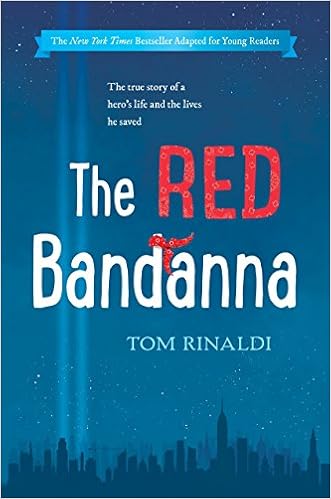
As I was reading Chapter Five, "Finding Humanity in Ourselves and Others," I was also reading The Red Bandana (Young Readers Adaptation) by Tom Rinaldi. This is a story of an upstander, defined as "people who decide to help or to stand up, no matter the consequence" (p. 106). The book is an account of 9/11, so it's heart-wrenching. It's also the story of Welles Crowther, one of the heroes of that day, who sacrificed his life to save others so there's inspiration in the pages of the book, as well. The books ends with a reminder to readers that we all have choices and we can choose to be one who helps. This book provides young readers with insight into a crisis, a horrific tragedy, that occurred in our world, but it can also spark discussion about courage, self-sacrifice, and how helping makes our world a better place.
Sharing literature which illustrates the power of standing up and helping others is essential. Picture books, like Super Manny Stands Up! by Kelly DiPucchio and Be Kind by Pat Zietlow Miller, are must-reads in the classroom because they convey important messages about kindness and compassion that we want our students to take to heart. The conversations we engage students in about ideas related to this literature are important, but Sara offers us ways to deepen the learning about these concepts. Working with students on understanding the idea of having an obligation to others and helping them to recognize who they feel obligated to, seems to dig deeper into the mindsets that result in our decision to help or not help. Our identities and perspectives tie into the choices we make. Exploring our identities and perspectives in relation to our decisions to be kind and empathetic seems a helpful way to support students in developing strong, positive relationships with others.
When 9/11 occurred, I was just beginning my career as a teacher. I remember the challenge of addressing students' concerns about this event. There have been many crises in our world since and managing the questions and conversations that students want to have is still a challenge. There is a need to help students process what is happening around them, but also ensure that they are safe. Sara offers great suggestions in the last chapter of the book for responding to the events of our world. Listening, taking the stance of learner alongside students, and sharing the stories of good in the world will help both teachers and students process what the world hands us.
As Sara states on the last page of her book, there is no magic formula for changing the world, but every effort we make to support students in navigating the world with understanding, kindness, and compassion is a step in the right direction.
As I was reading Chapter Five, "Finding Humanity in Ourselves and Others," I was also reading The Red Bandana (Young Readers Adaptation) by Tom Rinaldi. This is a story of an upstander, defined as "people who decide to help or to stand up, no matter the consequence" (p. 106). The book is an account of 9/11, so it's heart-wrenching. It's also the story of Welles Crowther, one of the heroes of that day, who sacrificed his life to save others so there's inspiration in the pages of the book, as well. The books ends with a reminder to readers that we all have choices and we can choose to be one who helps. This book provides young readers with insight into a crisis, a horrific tragedy, that occurred in our world, but it can also spark discussion about courage, self-sacrifice, and how helping makes our world a better place.
Sharing literature which illustrates the power of standing up and helping others is essential. Picture books, like Super Manny Stands Up! by Kelly DiPucchio and Be Kind by Pat Zietlow Miller, are must-reads in the classroom because they convey important messages about kindness and compassion that we want our students to take to heart. The conversations we engage students in about ideas related to this literature are important, but Sara offers us ways to deepen the learning about these concepts. Working with students on understanding the idea of having an obligation to others and helping them to recognize who they feel obligated to, seems to dig deeper into the mindsets that result in our decision to help or not help. Our identities and perspectives tie into the choices we make. Exploring our identities and perspectives in relation to our decisions to be kind and empathetic seems a helpful way to support students in developing strong, positive relationships with others.
When 9/11 occurred, I was just beginning my career as a teacher. I remember the challenge of addressing students' concerns about this event. There have been many crises in our world since and managing the questions and conversations that students want to have is still a challenge. There is a need to help students process what is happening around them, but also ensure that they are safe. Sara offers great suggestions in the last chapter of the book for responding to the events of our world. Listening, taking the stance of learner alongside students, and sharing the stories of good in the world will help both teachers and students process what the world hands us.
As Sara states on the last page of her book, there is no magic formula for changing the world, but every effort we make to support students in navigating the world with understanding, kindness, and compassion is a step in the right direction.
Tuesday, July 17, 2018
The Story Collector by Kristin O'Donnell Tub
For many book lovers, living in a library would be a dream come true. Viviani Fedeler is living such a life in The Story Collector.
Viviani was born in the New York Public Library where she lives with her parents and her two brothers. She loves stories, but doesn't think the stories of her own life are very important. When Viviani tells a new girl at school that the library is haunted, the girl does not believe her. Viviani's plan to prove she is not a liar gets her into a predicament with her friends, but then she needs the help of one of those friends to solve a library mystery.
This book takes place in the 1920s and is based on the real life Viviani Fedeler who was actually born in the New York Public Library in 1917. Because her father was the superintendent of the library she lived there until she was fifteen. In the note at the end of the book, the author provides some historical information about Fedeler's family and the library itself.
The story draws readers into the time period, but also brings the library itself to life. From playing baseball in the library, with books as bases, to hiding in the card catalog, to exploring the rooms of the library at night, Viviani's life in the library seems fun and full of adventure. The story also addresses friendship as Viviani wrestles with a dilemma related to making and keeping a friend. The ending of the story is satisfying as Viviani learns about stories and realizes she does have a story worth sharing.
The Story Collector will speak to the hearts of those who love books and stories, especially librarians. With an interesting setting and a plot with a bit of mystery this story is an enjoyable read.
Viviani was born in the New York Public Library where she lives with her parents and her two brothers. She loves stories, but doesn't think the stories of her own life are very important. When Viviani tells a new girl at school that the library is haunted, the girl does not believe her. Viviani's plan to prove she is not a liar gets her into a predicament with her friends, but then she needs the help of one of those friends to solve a library mystery.
This book takes place in the 1920s and is based on the real life Viviani Fedeler who was actually born in the New York Public Library in 1917. Because her father was the superintendent of the library she lived there until she was fifteen. In the note at the end of the book, the author provides some historical information about Fedeler's family and the library itself.
The story draws readers into the time period, but also brings the library itself to life. From playing baseball in the library, with books as bases, to hiding in the card catalog, to exploring the rooms of the library at night, Viviani's life in the library seems fun and full of adventure. The story also addresses friendship as Viviani wrestles with a dilemma related to making and keeping a friend. The ending of the story is satisfying as Viviani learns about stories and realizes she does have a story worth sharing.
The Story Collector will speak to the hearts of those who love books and stories, especially librarians. With an interesting setting and a plot with a bit of mystery this story is an enjoyable read.
Thanks to NetGalley and the publisher, Henry Holt and Co.,
I read a digital review copy of the book.
This book publishes in August.
Monday, July 16, 2018
It's Monday! What Are You Reading?
Recent Reads...
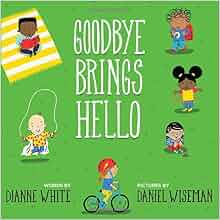
Goodbye Brings Hello by Dianne White
This book celebrates the changes and milestones of growing up. As something ends for the children throughout the book, something new begins. There is an encouraging message to embrace all the new and different opportunities that life brings. I thank Unleashing Readers and the publisher for the giveaway opportunity through which I won a copy of this book.Mr. Monkey Bakes a Cake by Jeff Mack
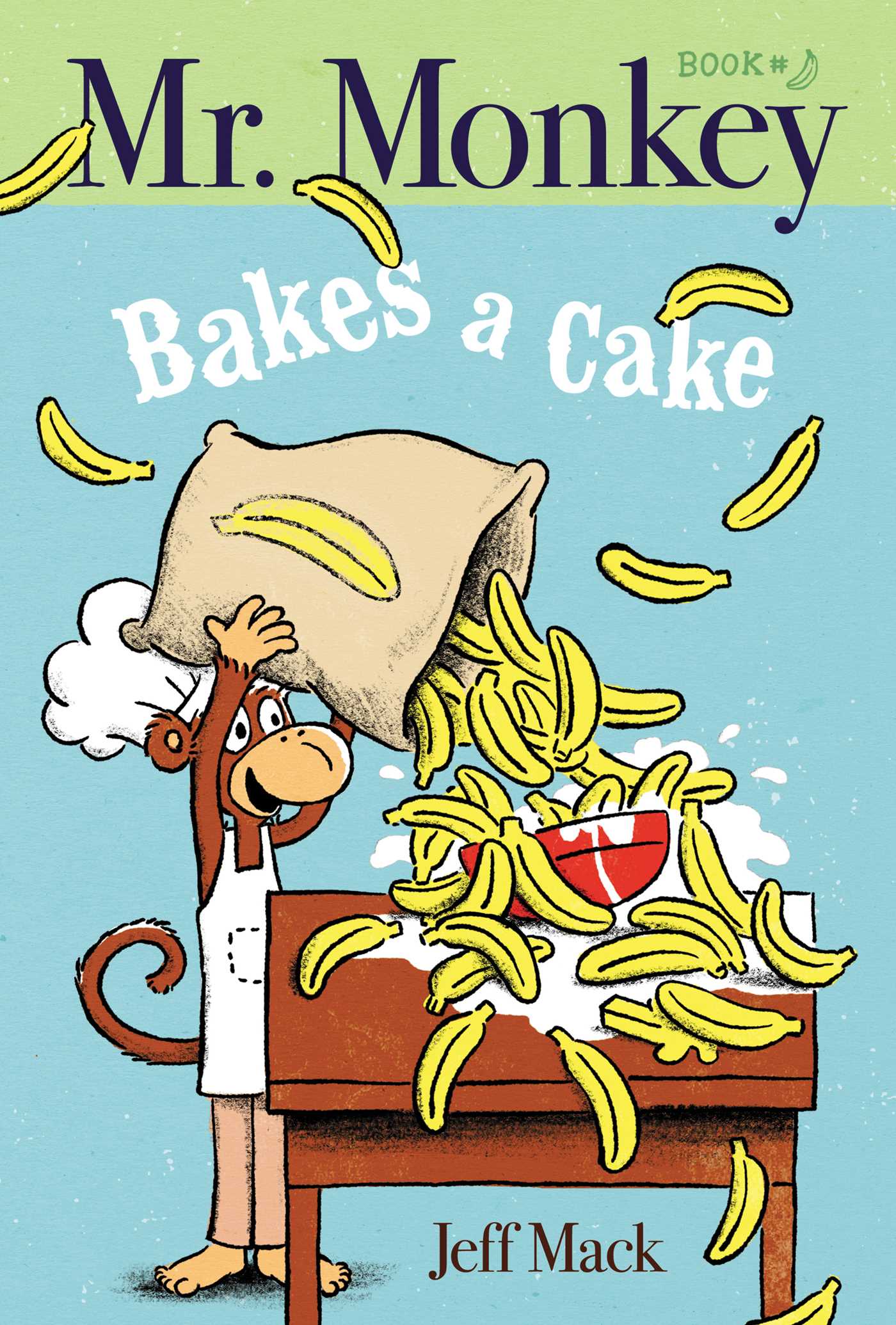
Mr Monkey bakes a cake, but because he has eaten too many bananas while doing so, he decides to bring it to a cake contest. There are lots of funny near-mishaps along the way and an encounter with an unfriendly gorilla. Readers will root for Mr. Monkey as he tries to get his cake to its destination in one piece. I am always on the lookout for beginning reader series that will amuse my students as the Mo Willems's Elephant and Piggie Books do. I think the Mr. Monkey series will be enjoyed just as much. This book has short, repetitive text, charming characters, and lots of humor.What Do They Do with All That Poo? by Jane Kurtz
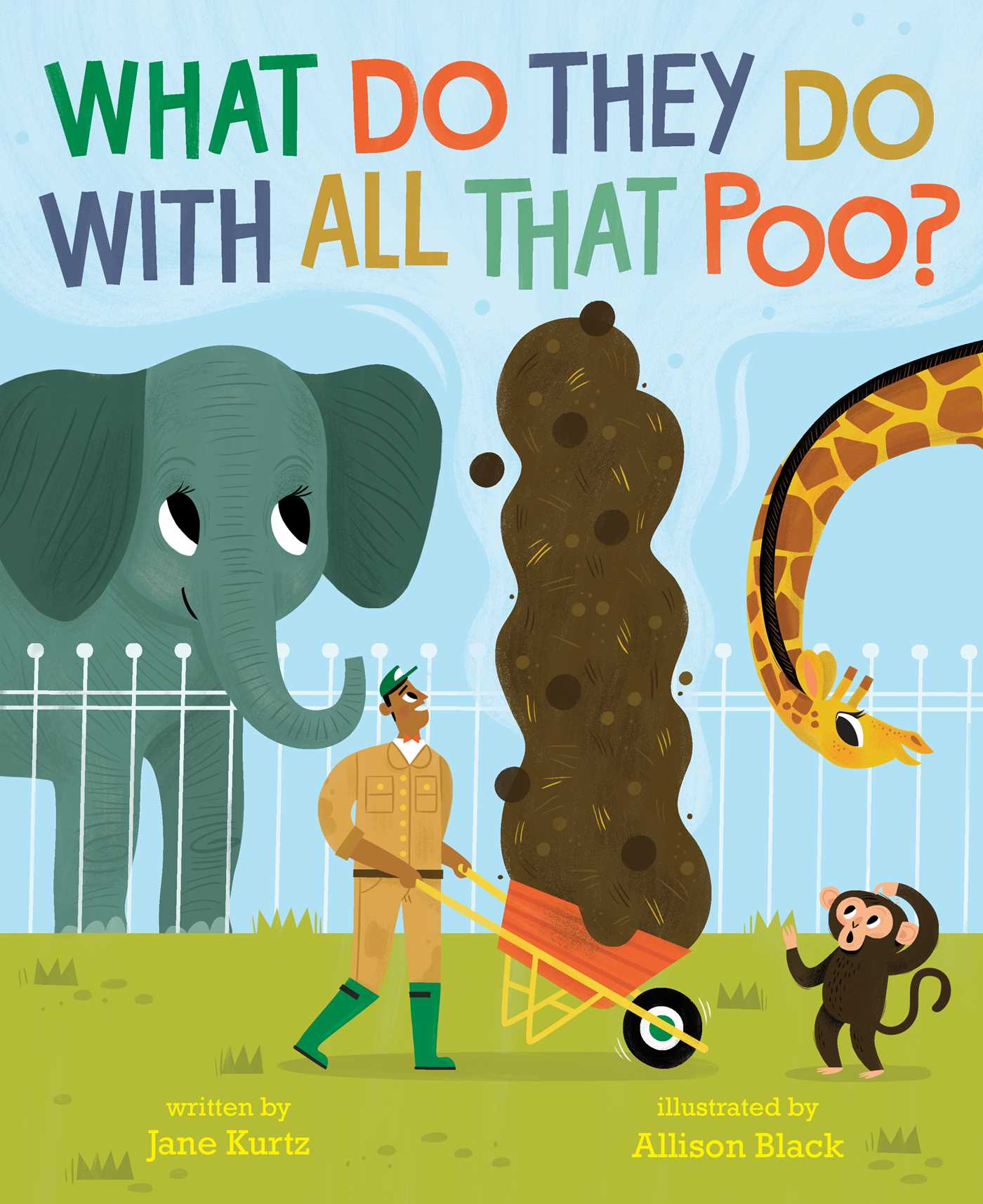
There are more facts about zoo animals' poo in this book than you ever wanted to know! Students are going to be fascinated with the information they'll learn from the book. It features different zoo animals, telling interesting facts about their poop. It also gives information about what zoos do with the immense amount of animal waste that piles up at the zoo. When I bring this book to school in the fall, I imagine that it is not going to stay on the shelf very long. This is another book I was lucky to win a copy of, thanks to Word Spelunking and the publisher.Escape From Castaway Island (Mr. Puffball #3) by Constance Lombardo
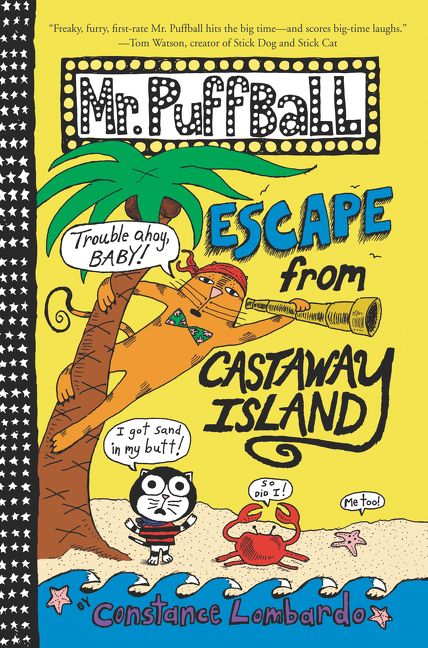
Mr. Puffball desires fame and fortune, but he knows his friends are what matter the most. In the third book in this series, Mr. Puffball is starring in a reality show, Celebrity Castaway Island, along with his feline friends, some who seem more like frenemies. As Mr. Puffball tries not to get voted off the island there is lots of adventure, mishaps, and humor. This is a series I'll recommend to readers who enjoy illustrated novels and fun stories that make them laugh. Thanks to the author, Constance Lombardo, for sending my book review group, #BookExcursion, a copy of the book to review.The Red Bandana (Young Readers Adaptation) by Tom Rinaldi
This true story tells about Welles Crowther, a hero of September 11, 2001. Like any account of 9/11 this is a heart-wrenching story, but it is also inspiring and hopeful. The book portrays the self-sacrifice and courage that Welles exhibited that day and offers a reminder that heroes live among us. This is an informative account of 9/11, which will give young readers insight into what occurred, but it will also be useful to spark discussions about the fact that we can make choices to help others and make this world be a better place.
Subscribe to:
Posts (Atom)